
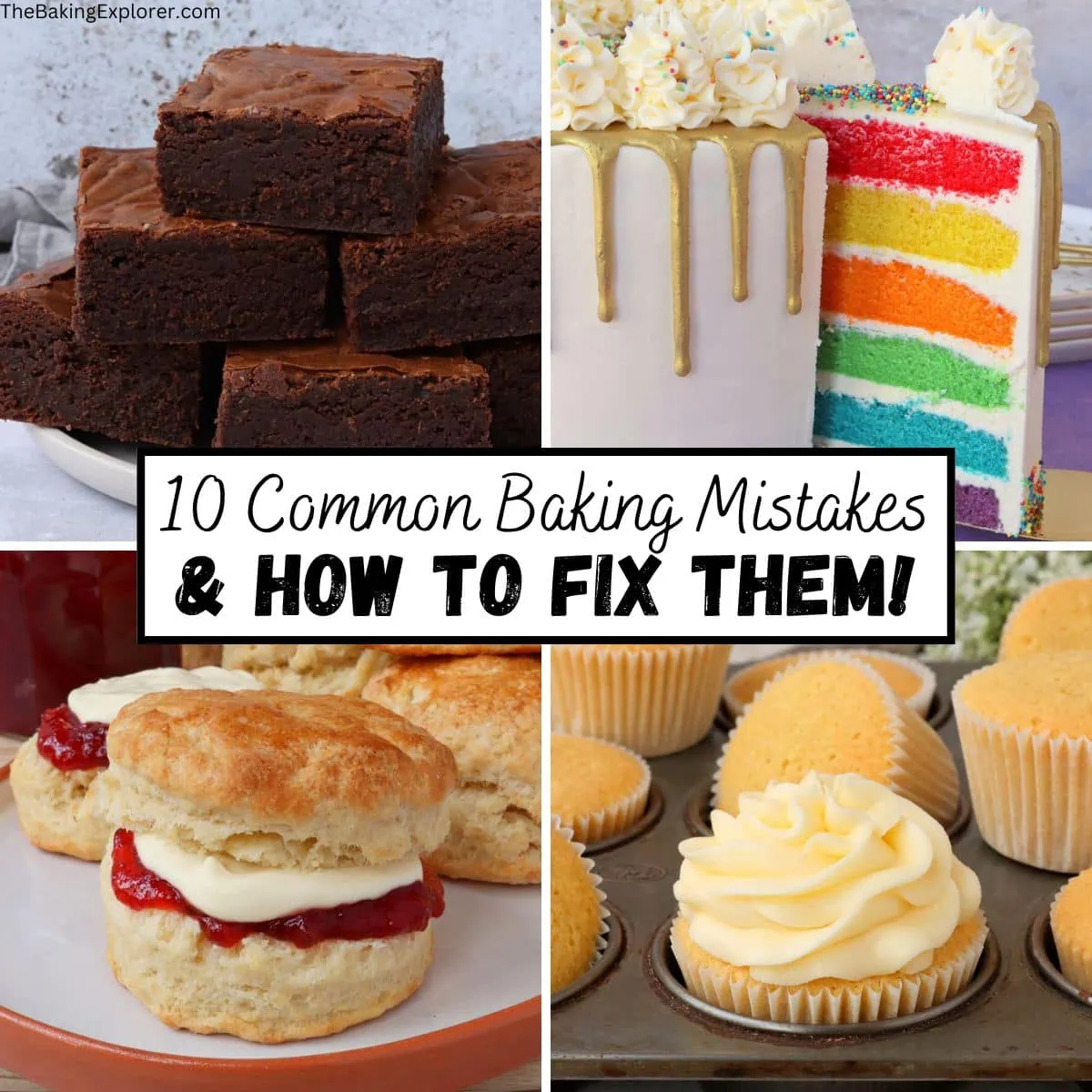
If you’ve ever followed a recipe exactly and still ended up with a bake that didn't turn out right, you’re definitely not alone! The truth is, baking isn’t just about following a recipe. There are small details (like the type of butter you use, how your oven behaves, or your tin size) that can completely change the results. I’ve been baking for over a decade so I've made all of these mistakes at some point, and so have many of my readers. Once you know what to look for, they’re usually really easy to fix. In this post, I’m sharing 10 common baking mistakes that could be ruining your bakes and exactly how to fix them so you get better, more consistent results every time you step into the kitchen.
This post may contain affiliate links. I earn from qualifying purchases.
1. Not Measuring Ingredients Accurately
This is one of the most common baking mistakes as, unlike cooking, baking is much more precise. Changes in the amount of flour, sugar or liquid can completely affect the texture of your bake. For example, too much flour can cause dry and dense cakes, or too little can make them collapse.
Using cups is one of the biggest culprits for this mistake, as is using mechanical or analog style scales. To fix this issue, use digital kitchen scales. It is the most accurate way to measure ingredients and will ensure the best results. Digital scales are very low cost and can be purchased for around £12 ($16.50). If you must use measuring cups, firstly make sure the cups match the recipe. Australia, the US and Japan all have different cup measurements. Next, instead of scooping directly from the bag, spoon your ingredients into the cup and level them off.
Smaller measurements are also very important to get right, as they usually involve raising agents or flavouring which can be key to a recipe turning out right. Make sure to use measuring spoons and not the type of spoons you eat with. Grabbing a teaspoon from your cutlery draw will lead to inaccuracies as they often vary in size.
My best tip is to double check the amount before you add it into your mixing bowl, or even better, measure and weigh everything out beforehand (this is particularly useful when you're baking with kids!) Taking the extra time to do this can make a huge difference and it's one of the easiest ways to improve your baking results.
2. Using the Wrong Type of Flour
Different types of flour behave very differently in baking, and using the wrong one can affect everything from the texture, to the structure and the overall outcome of your bake. For example, bread flour has a higher protein content and when used for a cake recipe it will make your cake dense, chewy and tough.
Different flours have different names and packaging depending on where you are in the world. What is known as plain flour in the UK, is called all purpose flour in the US. In the UK, plain flour comes in red bags, and self raising in blue, but in the US it's the opposite. So it can be easy to get confused! Make sure to check the wording on the bag and don't just go off the colour you're used to.
Always use the type of flour listed in your recipe where possible. If you're not able to do this, make sure you adjust the other ingredients accordingly. For example if you don't have self raising flour, you can use plain flour and add baking powder to the recipe. The general advice is to add 2 teaspoons baking powder (make sure to use proper measuring spoons and not the kind you stir your coffee with) per every 200g plain or all purpose flour.
3. Choosing the Wrong Butter
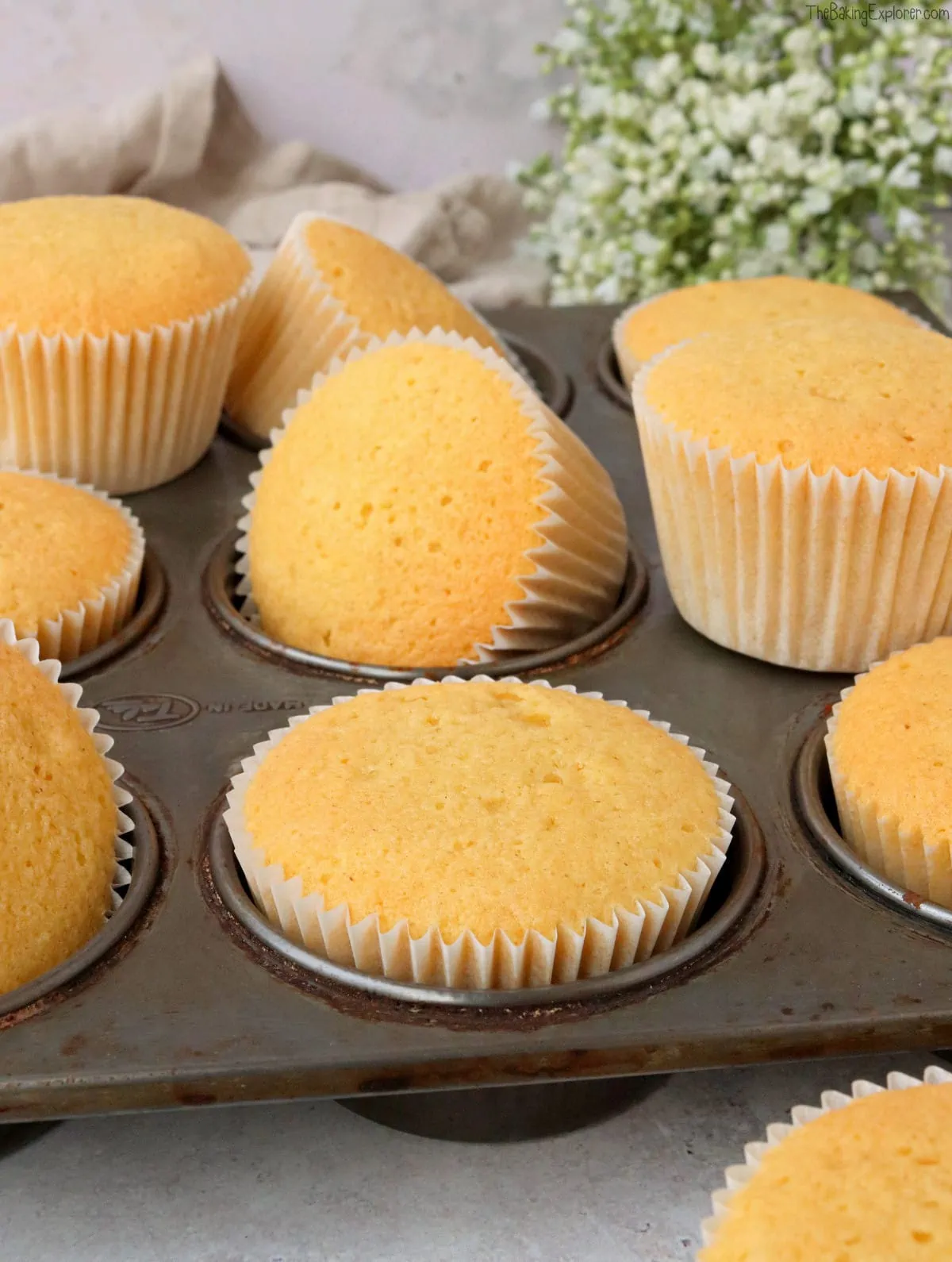
Butter plays a big role in both the flavour and texture of your bakes, so using the wrong type can make a noticeable difference. For example, using a spread or margarine instead of block butter can make buttercream sloppy and your cookies spread more. This is because they contain added oil and water.
I always use a baking spread (my preferred brand is Stork) when making sponge cakes and cupcakes, as I find they give my cakes better texture and rise. But for pretty much everything else I stick to unsalted block butter. Even if you're baking dairy free, make sure to use a block style dairy free butter (I've had great results with Flora Plant) for things like buttercream, cookies and brownies.
Using salted or unsalted butter can also impact the final flavour of a bake, especially in recipes where the sweet salty balance really matters. If you're using salted butter in a cookie recipe, you might want to reduce the salt quantity for better flavour.
4. Choosing the Wrong Chocolate
While swapping milk chocolate chips for dark chocolate chips in a cookie recipe typically won't cause any issues, using the wrong type of chocolate for a bake like brownies can change the outcome of your bake. For example using milk chocolate for chocolate brownies can make them greasy, less flavoursome and reduce their indulgent finish.
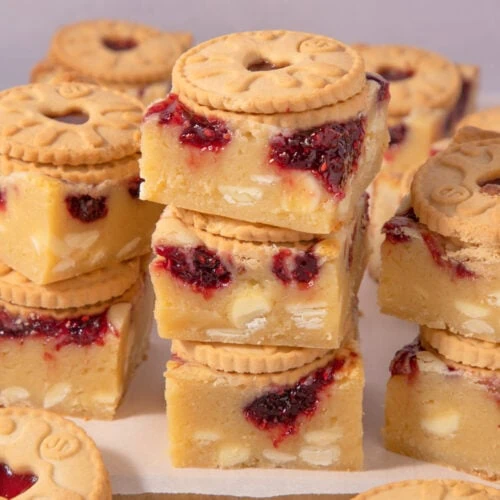
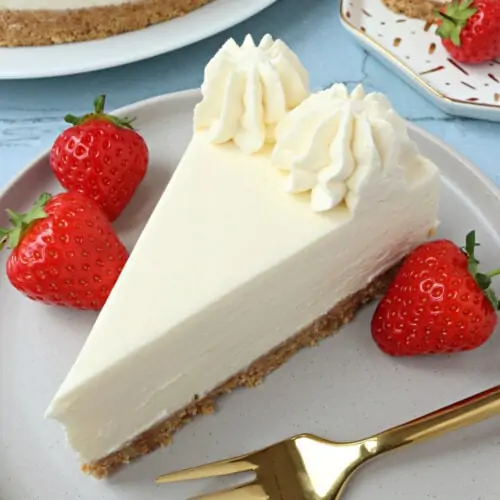
Using the right kind of white chocolate is particularly important when making blondies. While Milkybar is delicious and works great in my Milkybar Cheesecake recipe, if you use it to make one of my blondie recipes it will affect the results as it lacks real cocoa butter and can make your bakes oily.
Always use good quality chocolate with a higher cocoa content for baking, especially for recipes like brownies where chocolate provides the majority of the flavour. This doesn't mean the chocolate has to be expensive, many supermarkets own brand chocolate is good quality and I use it regularly in my baking. However if you do want to splash out and really up the quality of your bakes, Callebaut chocolate is a favourite of mine when I want to make a bake extra special.
5. Using Low Quality Food Colouring
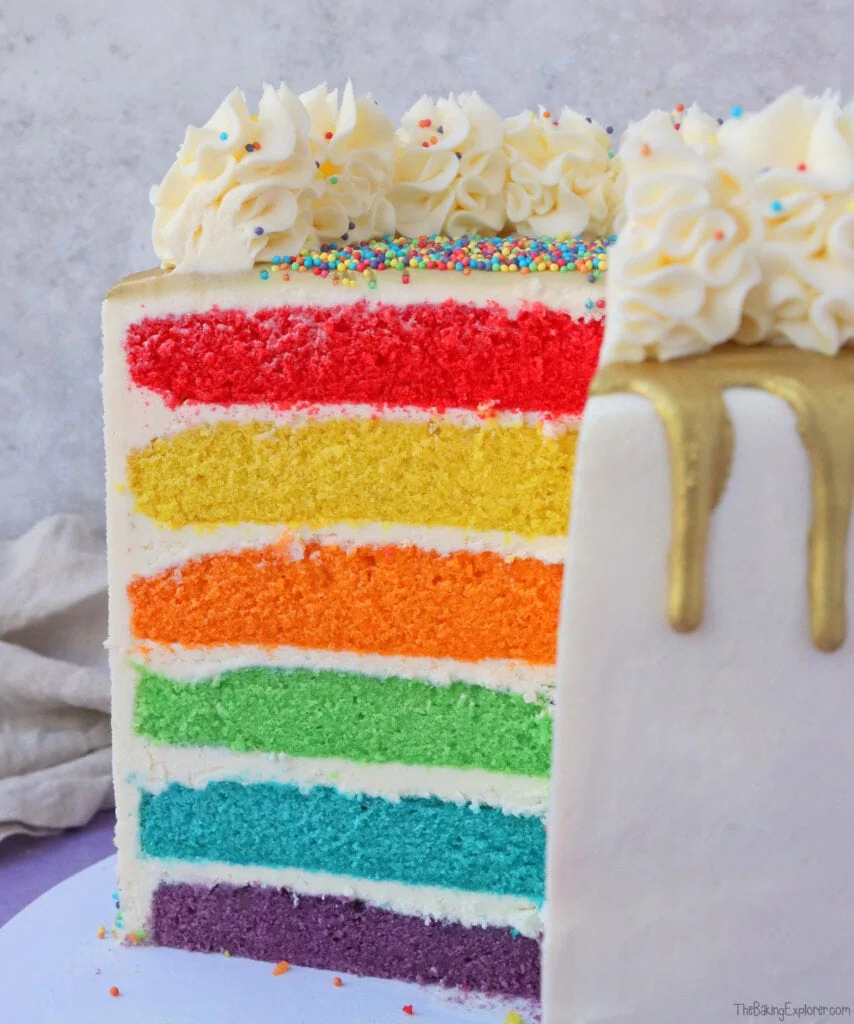
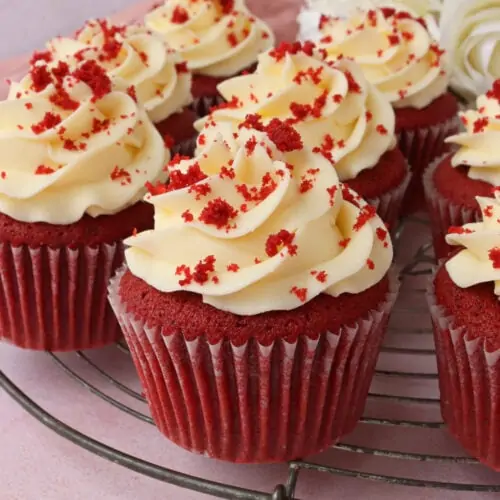
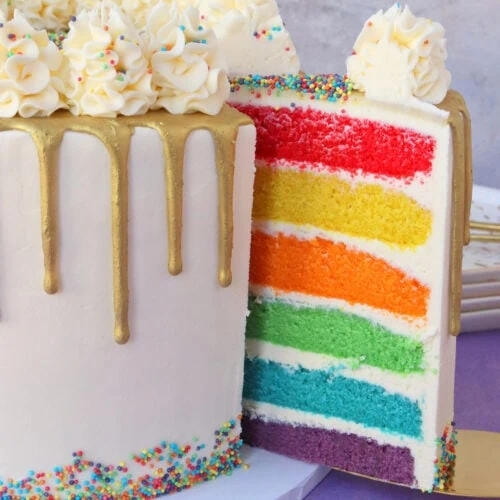
Rainbow cakes and red velvet cakes are very popular and if you've ever tried to make one, but the colour has come out dull or pale, it's down to the food colouring you've used. Liquid food colouring from supermarkets is often very weak. You either need to use a lot to get a strong colour (which means adding extra liquid that can make your buttercream sloppy) or you'll never get the colour you want because the colouring isn't strong enough.
Always use a professional grade gel food colouring to get the strong and vibrant results that you can see in my photos. Brands I recommend are Pro Gel, Colour Mill and Sugarflair. These type of food colourings are available online or from shops like Hobbycraft in the UK. If you're using professional food colouring for the first time, add the colour gradually and build up to the shade you're after.
6. Substituting Ingredients Incorrectly
It can be tempting to swap an ingredient for something you already have at home in the cupboard, but it's important to remember that not all substitutions work the same way in baking. Each ingredient plays a specific role, such as adding moisture, structure or flavour. So swapping them out for other things can lead to disappointing results.
The recipes on my website have been tested and developed by me using the ingredients listed, I always recommend following them exactly for the best results. If an ingredient can be swapped without causing problems, for example changing plain wholemeal flour to regular plain flour in my Carrot Cake recipe, then I will try and mention this in the recipe notes.
The same goes for reducing ingredients, many people think that sugar only provides sweetness in bakes and they often reduce the quantity to create a less sweet bake. However sugar is also crucial for structure, texture, moistness and even the colour of your bake.
7. Using Ingredients at the Wrong Temperature
Using ingredients at the wrong temperature is a small details that have a big impact on your baking. For example, cold butter won't cream properly, and cold eggs can cause your batter to curdle. Warm ingredients can also cause problems, making them greasy or dense.
For sponge cakes, cookies and buttercream, always use softened butter. You want it to be soft enough so that you can easily press it between your fingertips, but it is still malleable. This could take as little as 20 minutes on a warm day, or up to an hour on a cooler day. I'm in the UK, so I keep my eggs in the cupboard. If you're in a country where eggs need to be refrigerated, let them sit out for at least 30 minutes before using them.
You should also take care when adding hot ingredients, such as melted butter, boiling water or heated cream, to your mixture. Let them cool if the recipe allows for it, like in my Coffee & Walnut Cake recipe. Or add hot ingredients slowly while mixing them in to avoid cooking any eggs in the batter, or causing it to seize.
8. Using the Wrong Raising Agent
Raising agents like baking powder and bicarbonate of soda (also called baking soda) are essential for helping your bakes rise. However, they are not interchangeable and can't be swapped for each other. Using the wrong raising agent can result in cakes that don't rise enough, that rise too much and then sink, or it can give your bakes a bitter and metallic taste.
Never swap baking powder for bicarbonate of soda, and vice versa. Always use the raising agent that is specified in the recipe for the best and most accurate results.
You should also make sure your raising agents are in date, as they do lose effectiveness over time. And please use proper measuring spoons when adding raising agents to a recipe, and not the type of spoons you eat with.
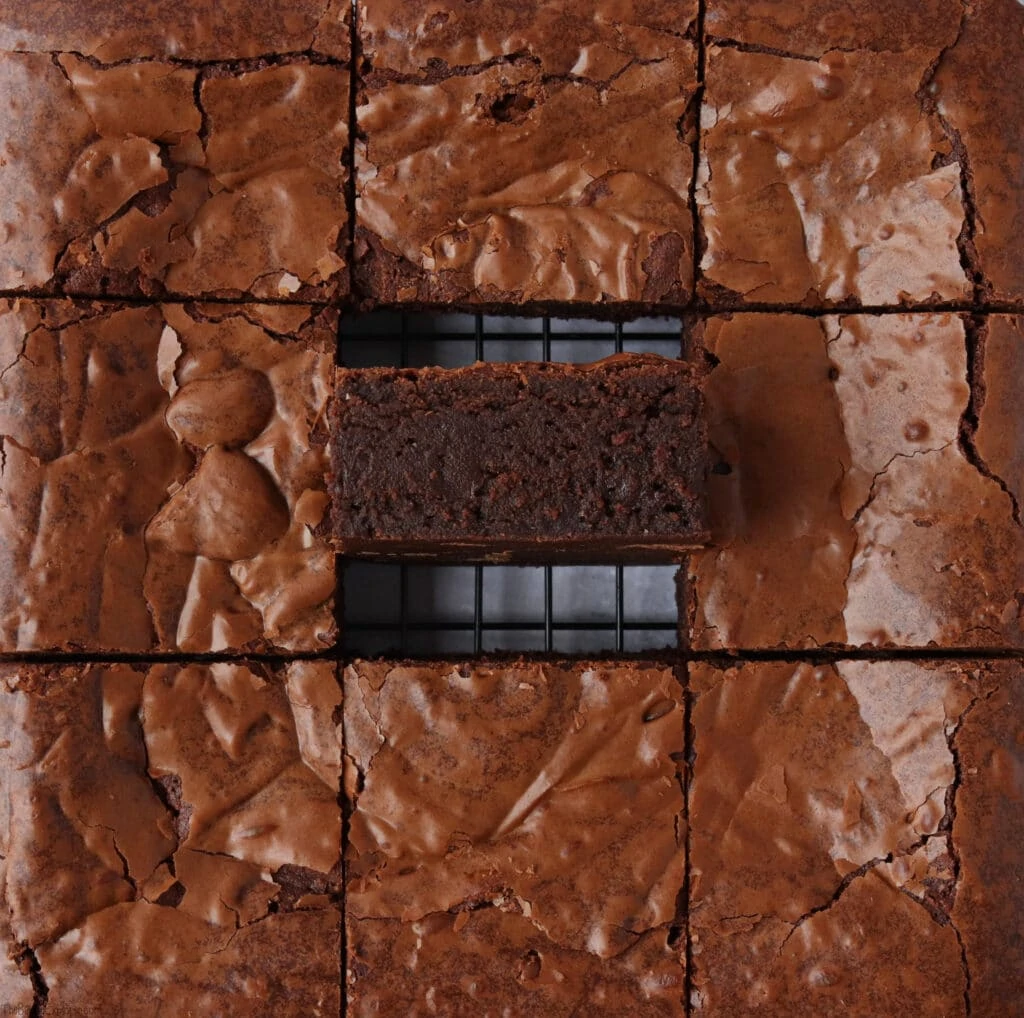
9. Using the Wrong Tin Size
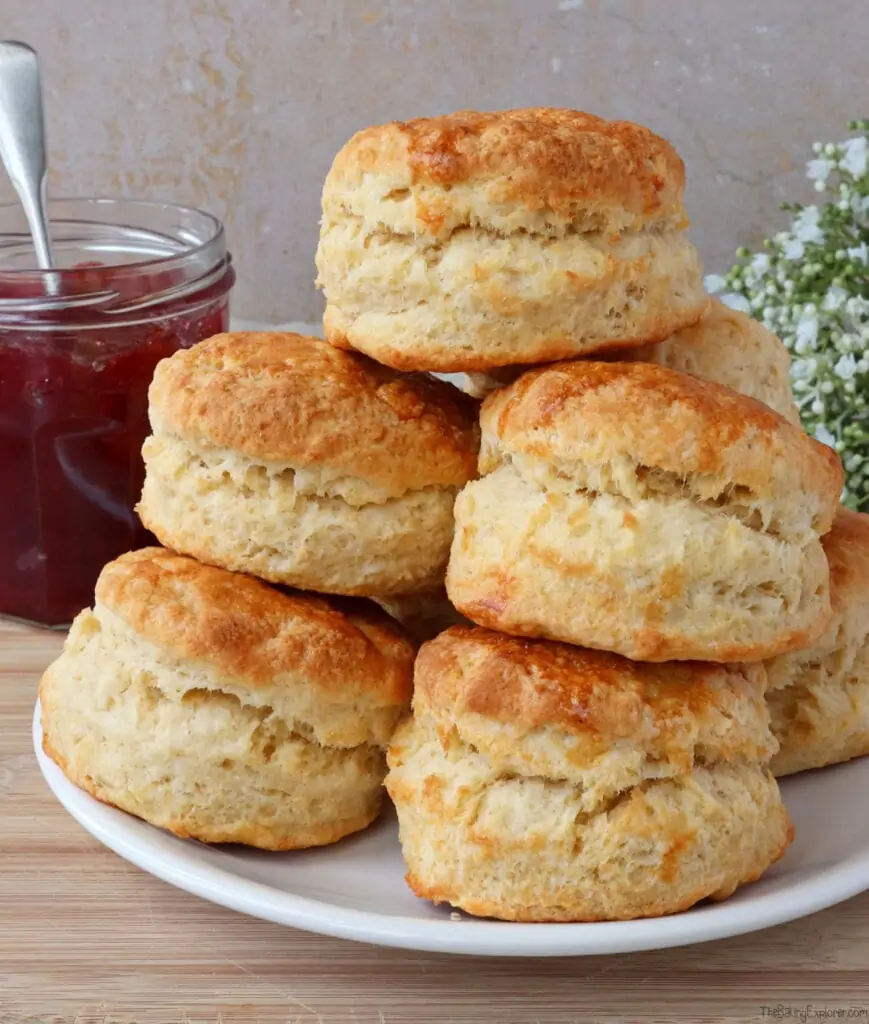
Using a different tin size than the one listed in the recipe you're following can have a big impact on how your bake turns out. A smaller tin can make your bake thicker and cause under-cooking in the middle, while a larger tin can make your bake thinner and cause it to over bake and dry out.
Always use the tin size specified in the recipe. If you do need to change the tin size, adjust the baking times or adjust the amount of ingredients you're using. I've create a helpful cake conversion guide to help adjust your ingredient amounts properly, enter your email below and it'll be sent over to you in a clear printable format!
10. Not Understanding Your Oven
All ovens are sightly different, some run hotter or cooler than the temperature you've set the dial to. Many also have hot spots that cause uneven baking. If your oven temperature is too high, this can cause your bakes to over bake and burn on the outside, yet be under cooked and raw in the centre.
An oven thermometer that goes inside your oven is a really helpful and low cost way to find out the true temperature of your oven. To find any hot spots, you can do the toast test. This involves covering a baking tray with slices of white bread, bake them for 10-15 minutes at 175C. Take them out and see which ones are more brown and toasted, this will show where the hotter areas of your oven are.
If possible, you can rotate bakes when cooking to get an even bake, however only do this once then are set enough as opening the oven door too early during the baking process can cause some bakes to sink. Learning how your oven works can take time, plus some trial and error, but it can make a huge difference to your baking.
Now, let's bake!
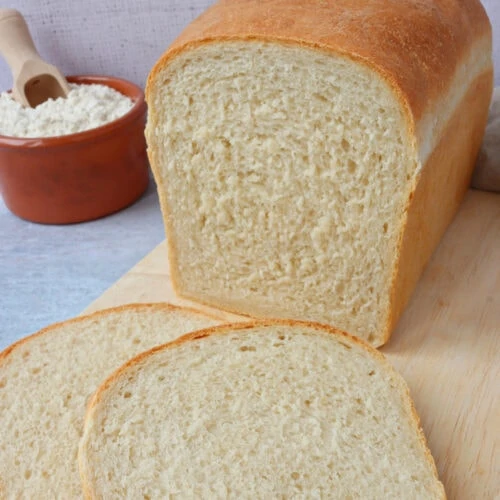
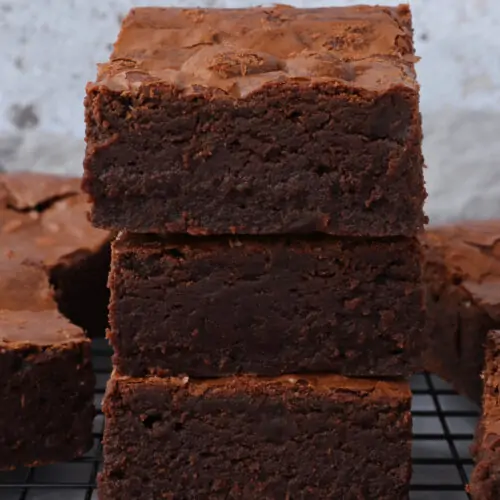
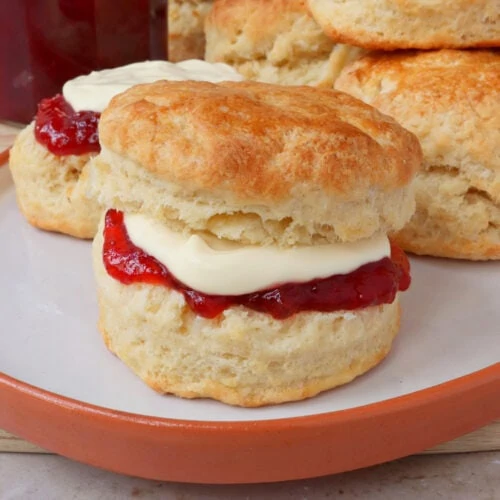
Here are some of my favourite and most popular recipes for you to try. Now you are armed with my best baking tips and tricks, I hope you are feeling more confident to get in the kitchen and put them into practice!
If you have any baking questions, please use the comment form below and I will get back to you. You can also get in touch with me on my Instagram or Facebook. I'd love to hear from you!
Christine
My biggest mistake is overcooking or undercooking cakes. I test with a skewer but often judge wrong if it is done!
thebakingexplorer
Yes this is a common issue too, I'm sorry you've been struggling with it. The skewer will come out clean or with dry crumbs on it if the cake is done, any wetness and you should bake more. You've got this!
Carole
I was recommended to try stork block margarine as a replacement for butter due to it being healthier, but after reading your helpful tips would you recommend it or am I best sticking to butter,
thebakingexplorer
Hi Carole, I'm not sure on it being healthier as I haven't researched that, but the Stork baking block is good to use in replacement of butter. Make sure it's the block you're using and not the spread. The spread I would only recommend using for sponge cakes and cupcakes.